Modernizing Career Architecture in Health Care
In today’s rapidly evolving health care environment, career architecture helps align roles and skills to workforce needs while supporting growth, agility, and the delivery of high-quality patient care.
Contact Us to Get Started
A Growing Workforce Needs a Clear Framework.
Job architecture is a foundational element of workforce governance, helping health care organizations align role design, talent strategy, and compensation practices with performance, operational efficiency, and long-term sustainability. When paired with a structured skills architecture, organizations gain a common framework for defining the capabilities required across roles—strengthening workforce planning, career development, compensation, and performance management. Without a structured job and skills architecture, the financial and care delivery challenges health care organizations face today are amplified, limiting their ability to deploy talent effectively, develop their workforce, and ensure equitable, market-aligned rewards.
Modern Career Architecture Benefits
Employees understand role expectations, required skills, career stages, and how their work contributes to organizational and patient care outcomes.
Leaders gain a structured foundation for workforce decisions — from hiring and role design to promotions, succession planning, and skills deployment.
Job leveling provides a consistent, data-driven basis for benchmarking, salary structures, and equitable, compliant pay decisions.
Transparent career paths and advancement opportunities improve employee confidence, motivation, and retention in a competitive labor market.
Partnering with SullivanCotter
Build a Scalable Framework for Role Clarity, Fairness, & Efficiency
High-performing hospitals and health systems continuously evaluate and refine their job architecture practices to keep pace with changing care models, emerging roles, and evolving workforce expectations. A modern job architecture supports recruitment, retention, and engagement strategies while clearly defining career paths, skills, and growth opportunities across clinical and non-clinical roles.
SullivanCotter’s job architecture solutions help health care organizations develop a clear, consistent framework for defining careers, job families, job levels, position titles, and required skills and attributes, strengthening workforce alignment, improving operational efficiency, and enhancing the ability to attract and retain the top talent needed to achieve strategic objectives.
A Foundation for Workforce Strategy & Performance
Customized job architecture elements include:
Job Family Hierarchy
Job Title Utilization
Title Level Prevalence
Job Consolidation Strategies
Job Competencies & Skills
Job Documentation
Job Leveling Guides
Market Pricing
Survey Matching
Pay Equity
Clinical Workforce Optimization
Operating Model Design
Career Pathways
How We Help
SullivanCotter works with clients to develop job architecture models and career frameworks designed for the complexities and specialized skills of health care roles. Together, we build scalable, flexible structures tailored to your organization’s needs—supported by AI-enabled tools and informed by the industry’s most comprehensive workforce survey data.
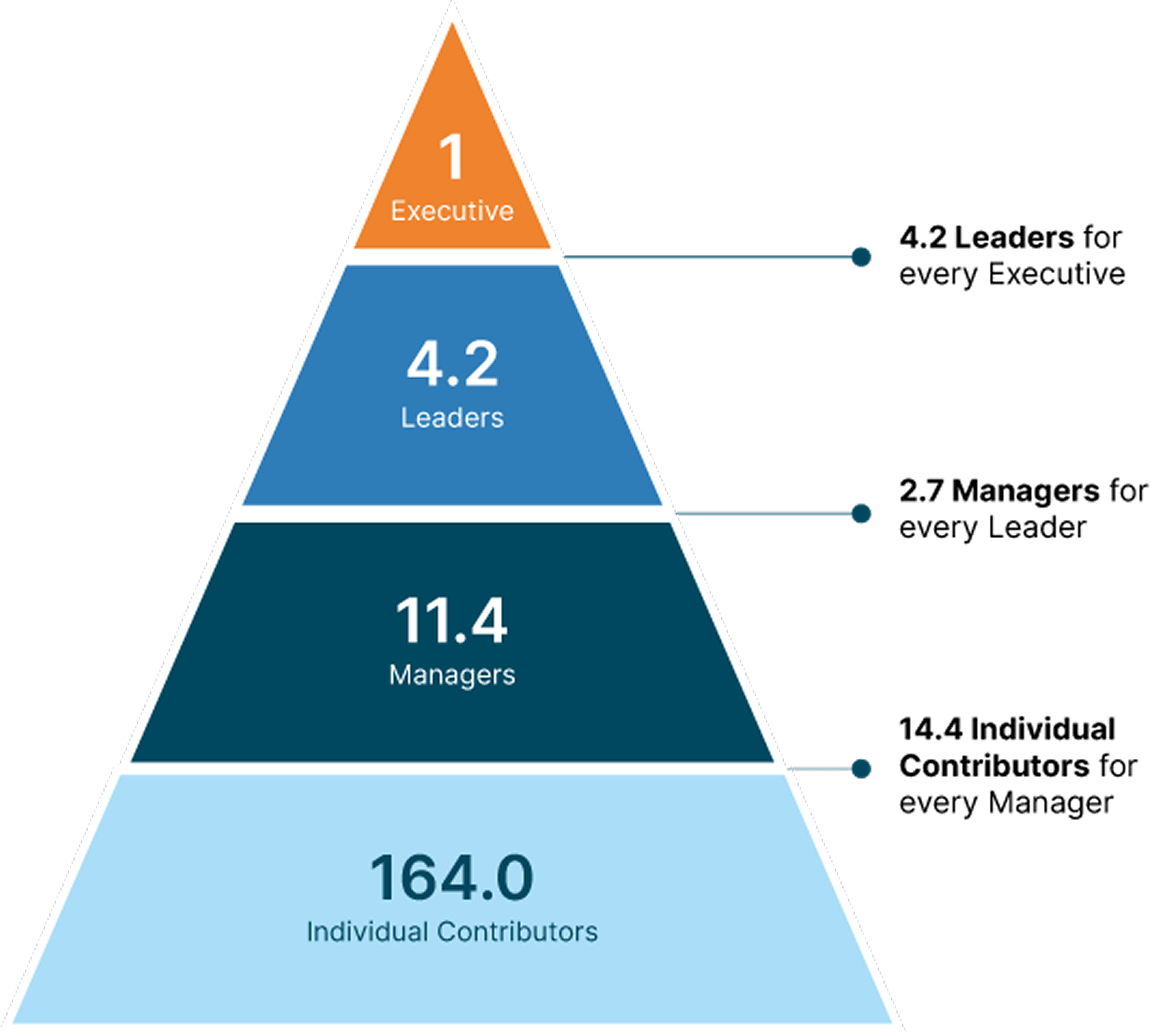
Proprietary health care workforce data supports informed decisions using objective span-of-control, workforce size, and structure metrics.
AI-enabled tools accelerate job mapping, leveling, and the development of tailored job leveling guides.
Supports standardized yet flexible frameworks that enable career progression, internal equity, and future workforce adaptability.
Analyze span of control, job fragmentation, and title misalignment to identify opportunities for simplification and efficiency.
Deliver right-sized staffing and leadership models to manage labor costs sustainably while maintaining care quality.
Align job roles, skills development, and organizational design to meet the demands of industry transformation, automation, and new care delivery models.
Specialized understanding of clinical, operational, and administrative roles across diverse care settings and operating models.
Ability to model multiple workforce and leadership archetypes with agility to support complex, evolving organizations.
Guidance on workforce implications of evolving technology and care delivery models to support efficient, sustainable workforce design.
Develop a structured skills architecture that creates a common language for workforce planning, talent development, and organizational performance.
Define enterprise-wide skills taxonomies that align technical, functional, leadership, and behavioral capabilities to organizational needs.
Map skills to roles, career levels, and career pathways to support workforce planning, internal mobility, and talent development.
Align skills with compensation, performance management, and learning programs to strengthen workforce capability and career progression.
Identify critical and emerging skill gaps to inform workforce strategy, succession planning, and organizational readiness.
Build a scalable skills framework that supports evolving workforce models, new technologies, and changing care delivery demands.
Help organizations understand which clinical competencies/skills align with the scope of practice, and which fall outside those roles.
Insight Spotlight
Improving Your Job Leveling Framework
SullivanCotter’s on-demand webinar on improving job leveling provides practical guidance on how to create and implement effective job leveling frameworks that drive clarity, equity, and consistency across an organization. The session highlights real-world approaches, common challenges, and tools that help health care leaders strengthen their career architecture and compensation practices.
Learn More“A well-designed job architecture brings clarity to roles, expectations, and career progression—creating a foundation for consistent decision-making across the organization.”
— James Roth, Managing Principal, SullivanCotter
Technology & Data Spotlight
Workforce Insights360™
Enhancing Job Architecture
Workforce Insights360™ brings powerful data and analytics to the job architecture process, giving health care leaders a clear, objective view of their workforce structure. Using proprietary workforce demographic and organizational structure data, the platform helps you define consistent job families, levels, and titles and map actual roles to those frameworks. It supports identifying where incumbents may be misaligned, harmonizing job codes, and assessing internal and market workforce characteristics—enabling more defensible job leveling and title decisions.
Explore Workforce Insights360™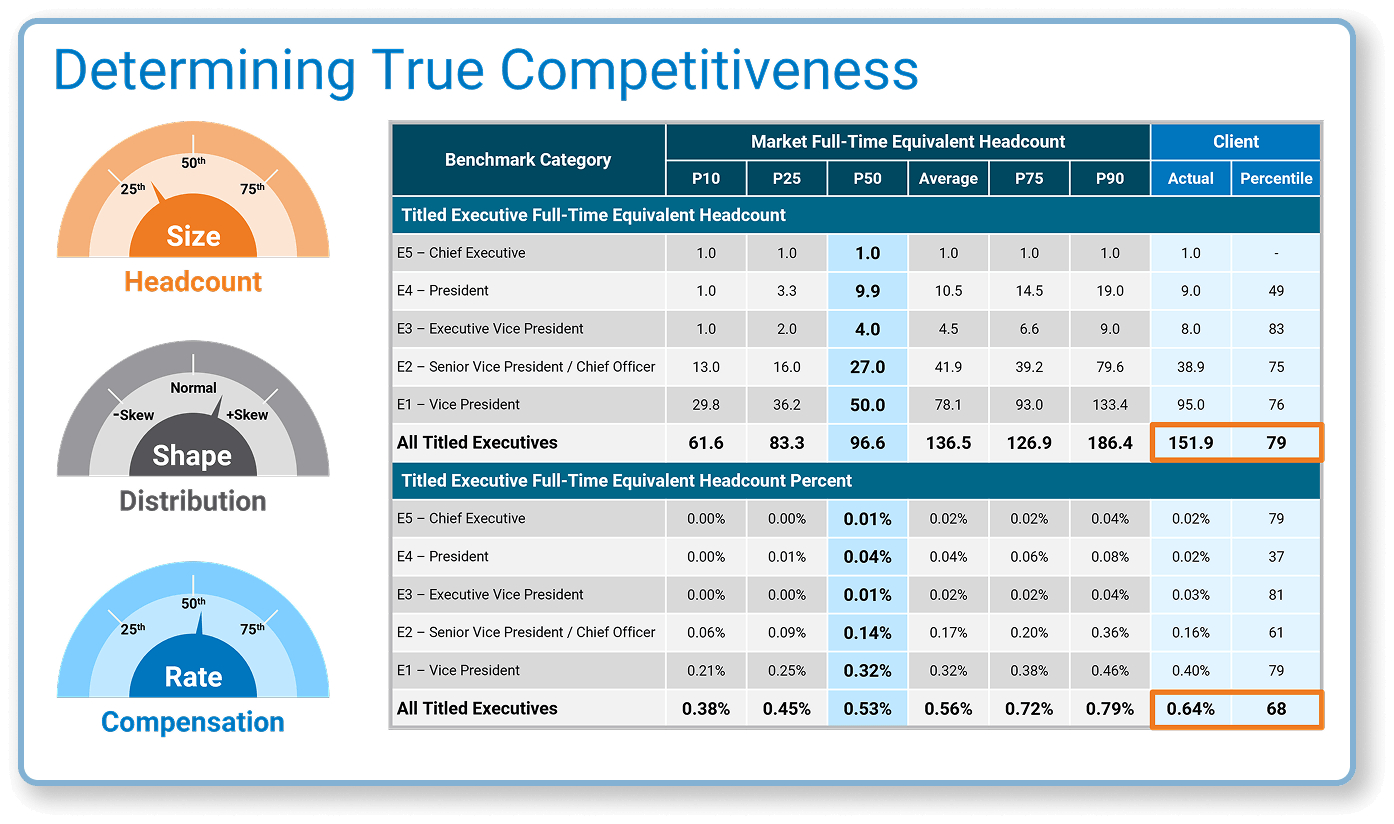
By combining predictive modeling with comparative insights, Workforce Insights360™ accelerates job architecture outcomes and strengthens alignment between workforce design and organizational goals.
Surveys: Make Insight Part of the Plan
Explore SullivanCotters’ comprehensive survey data—including compensation, workforce, and performance benchmarks—to inform your approach to crafting a winning career architecture.
Workforce Metrics Benchmark Survey
As health care organizations seek to optimize care delivery and improve performance, effectively managing workforce size, shape, and complexity remains key. This survey helps organizations understand how their workforce size, distribution, and cost compare to market practices.
Advanced Practice Provider Leadership and Organizational Survey
As health care organizations seek to transform care delivery by improving access, quality, services, and affordability, supporting the advanced practice provider (APP) workforce and optimizing leadership practices are essential. This survey highlights leadership roles, integration strategies, and workplace infrastructure for better APP workforce management.
Pulse on the Industry
Stay up to date with our latest insights, research, and resources.




More Services to Explore
Let’s Architect Your Solution
Ready to design a clear job architecture that brings structure, equity, and clarity across your organization? Contact SullivanCotter to get started.
Get Connected


